Oklahoma City Elite Hypnosis Blog
Agency Contact Form
Can Remote Hypnosis Help With Insomnia and Sleep Problems in Oklahoma City?

TLDR: Can Remote Hypnosis Really Improve Sleep in Oklahoma City?
Yes. Remote clinical hypnosis (also called hypnotherapy) helps many Oklahoma City and remote clients improve sleep by calming the nervous system, reducing racing thoughts, and changing subconscious patterns that interfere with rest. It works best when someone is ready to address the mental and emotional roots of insomnia, not just symptoms.
Why Are Sleep Problems So Common in Oklahoma City Right Now?
Sleep issues have become increasingly common, especially among adults balancing work, family, financial stress, and constant digital stimulation. Many Oklahoma City residents describe feeling exhausted but unable to sleep deeply or consistently.
Common sleep struggles include:
- Difficulty falling asleep
- Waking up multiple times during the night
- Early morning waking with racing thoughts
- Feeling tired even after a full night in bed
- Relying on caffeine, alcohol, or screens to cope
Sleep problems are rarely just about the bedroom. They are usually connected to stress, anxiety, habit loops, and an overactive nervous system.
Why Isn’t Insomnia Just a Sleep Issue?
Insomnia is often misunderstood as a purely physical problem. In reality, it is deeply connected to how the mind and nervous system function.
For many people, insomnia is driven by:
- Chronic stress
- Anxiety or overthinking
- Hypervigilance
- Difficulty “shutting off” mentally
- Learned bedtime habits that reinforce wakefulness
Remote hypnosis helps by addressing these underlying drivers rather than simply trying to force sleep.
How Does Remote Clinical Hypnosis Help With Sleep and Insomnia?
Remote clinical hypnosis works with the subconscious mind, where sleep patterns, stress responses, and mental habits are stored.
During hypnosis, clients learn to:
- Calm racing thoughts
- Reduce nighttime anxiety
- Signal safety to the nervous system
- Create healthier pre-sleep associations
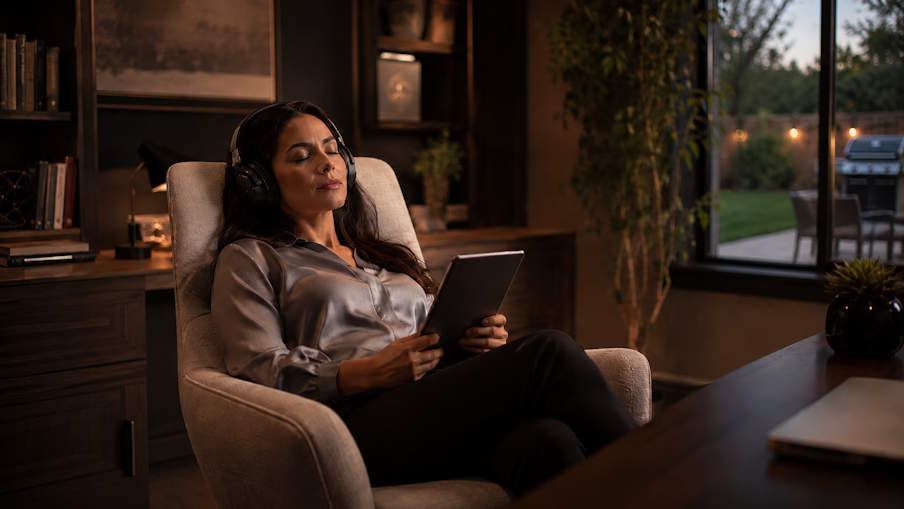
Because sessions happen remotely, clients are often sitting or lying in the same environment where sleep normally occurs. This helps the brain learn calm responses in the exact context where insomnia shows up.

Why Do Racing Thoughts Keep People Awake at Night?
Racing thoughts are one of the most common reasons people can’t sleep.
At night:
- External distractions quiet down
- The mind finally has space to process the day
- Worries, unfinished tasks, and stress surface
If the nervous system is used to being on alert, bedtime becomes a trigger for mental activity instead of rest.
Hypnosis helps quiet this mental noise by training the mind to shift out of problem-solving mode and into rest mode.
Can Remote Hypnosis Help If You’ve Tried Sleep Medications or Supplements?
Yes. Many clients seek hypnosis after trying medications, supplements, or sleep routines with limited success.
While these tools can help temporarily, they often don’t address:
- Anxiety-based insomnia
- Stress-conditioned wakefulness
- Habitual nighttime overthinking
Remote hypnosis focuses on teaching the mind how to sleep again rather than chemically inducing sleep.
How Does Stress Affect Sleep Quality and Patterns?
Stress has a direct impact on sleep.
When stress levels are high:
- Cortisol remains elevated
- The nervous system stays alert
- Sleep becomes lighter and more fragmented
- The body struggles to enter deep rest
Remote hypnosis helps regulate the stress response so the body can move naturally into restorative sleep cycles.
Why Remote Hypnosis Often Works Better Than In-Person for Sleep Issues
Sleep is highly context-based. Where you sleep matters.
Remote hypnosis allows clients to:
- Practice relaxation in their own bedroom
- Avoid travel-related stimulation
- Associate their bed with calm instead of effort
- Transition directly from session to rest
Many Oklahoma City clients report that remote sessions feel more effective because they are already in a familiar, safe environment.

What Role Does Readiness Play in Improving Sleep With Hypnosis?
Readiness matters greatly.
Remote hypnosis works best when someone:
- Is tired of fighting sleep
- Wants to understand why sleep feels difficult
- Is open to changing mental habits
- Is ready to let go of control at bedtime
This does not mean someone must feel relaxed or confident. Many clients begin feeling frustrated or discouraged. What matters is openness to addressing the root causes.
What Happens During a Remote Hypnosis Session for Sleep?
Remote sleep-focused hypnosis sessions are calm, supportive, and gentle.
Sessions typically include:
- Discussion of sleep patterns and nighttime triggers
- Guided relaxation to quiet the nervous system
- Mental imagery associated with safety and rest
- Suggestions that support natural sleep rhythms
Clients remain fully aware and in control. Many describe sessions as deeply calming, even if they don’t fall asleep during the session itself.
Can Hypnosis Help With Middle-of-the-Night Waking or Early Morning Anxiety?
Yes. These are among the most common concerns.
Remote hypnosis helps by:
- Reducing nighttime hypervigilance
- Calming early morning worry
- Teaching the mind how to return to rest
- Changing subconscious expectations about waking
Over time, many clients notice fewer awakenings and an easier return to sleep.
How Oklahoma City Elite Hypnosis Supports Clients With Sleep Problems
At Oklahoma City Elite Hypnosis, sleep issues are approached with patience, compassion, and professionalism. The practice has been recognized multiple years in a row as one of the best hypnosis practices in Oklahoma City, in part because of its calm, supportive, and client-centered care.
Clients often share that they felt understood rather than rushed, which is especially important when dealing with long-standing sleep struggles.
Why Compassion Matters When Addressing Insomnia
Many people feel embarrassed or frustrated by sleep problems. They blame themselves for “not being able to sleep.”
Self-criticism increases stress, which worsens insomnia.
Hypnosis helps replace frustration with understanding.
When people feel safe and supported, the nervous system relaxes more easily, allowing sleep to return naturally.
This compassionate approach is a defining feature of Oklahoma City Elite Hypnosis and a key reason clients trust the process.
What If You’ve Had Sleep Problems for Years?
Long-term insomnia does not mean change is impossible.
Sleep patterns can be retrained, even after years of difficulty. Remote hypnosis helps gently unwind habits and stress responses that developed over time.
Many clients report feeling calmer at bedtime first, followed by gradual improvements in sleep quality and duration.
How Do You Know If Remote Hypnosis Might Help Your Sleep?
Remote hypnosis may be worth exploring if you:
- Struggle to fall asleep or stay asleep
- Experience racing thoughts at night
- Feel tired but wired
- Want a natural, non-medicated approach
You don’t need certainty to start the conversation.
What Is the Next Step If You’re Curious About Remote Hypnosis for Sleep?
Curiosity is enough. If you’re wondering whether remote hypnosis could help improve your sleep, you’re welcome to reach out when it feels right.
Some people just reach out and give them a call directly. Others send will just send them a brief message requesting a call-back.
There is no pressure and no obligation. Questions are always welcome.